Our Commitment to Sustainability
At Sigma Foods we are committed to offering safe and reliable products, balancing current and future needs with long-term environmental care. Sustainability is an essential part of our operations: it guides decision-making, drives value-chain efficiency, and increases the trust of clients, employees, and communities.
Learn more about all of our sustainability initiatives at:
OurStrategy
Our new ESG framework, which we have named Horizon, includes environmental, social, and governance priorities in strategic planning and operational decision-making.
Based on the Planet, People and Partners/Suppliers pillars, and inspired by our mission of providing “Delicious Food for a Better Life”, this model establishes a clear structure for defining objectives, monitoring performance, and managing risks and opportunities throughout the organization.
Horizon prioritizes the most relevant sustainability issues for our stakeholders, and establishes a roadmap with short-, medium- and long-term goals.
Our Strategy
ENVIRONMENT
We apply best environmental practices across six key areas—Environmental Management, Data, Production, Packaging, Logistics & Distribution, and Supply Chain—to reduce risks and use resources efficiently.
HEALTH AND NUTRITION
We offer high-quality products that support healthier lifestyles, guided by Global Nutrition Standards and our purpose: Delicious Food for a Better Life.

WELLBEING
We foster a respectful, inspiring workplace that promotes well-being and protects human rights, aligned with international standards.
SHARED VALUE
We collaborate with suppliers and partners to promote responsible sourcing and build a more resilient, sustainable value chain.
Materiality
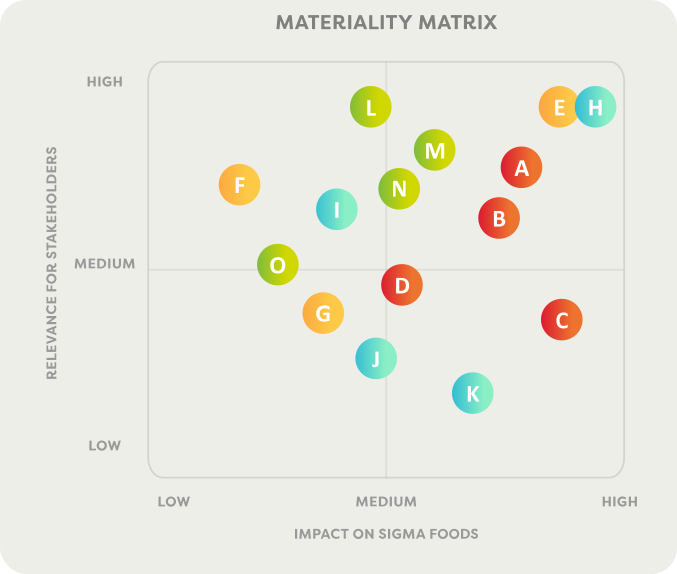
Our Materiality Analysis helps us identify the ESG topics that matter most to our business and stakeholders, ensuring our strategy stays focused and impactful.
In 2024, we launched our first double materiality assessment to prepare for compliance with the Corporate Sustainability Reporting Directive (CSRD) and the International Financial Reporting Standards (IFRS).
HEALTH AND NUTRITION
B. Healthy and nutritious foods
C. Reducing food waste
D. Innovation, Research, Development and Scientific Collaboration
SHARED VALUE
F. Sustainable procurement and value chain management
G. Economic performance
WELLBEING
I. Diversity, equal opportunity and inclusion
J. Employee training and development
K. Organizational culture and work environment
ENVIRONMENT
M. Water management
N. Circular economy and sustainable packaging
O. Clean and efficient energy
Sustainability Reports
Financial and relevant documents
on the initiatives and progress of Alfa|SIGMA’s sustainability issues.
* Information available in English only.
Annual Report (CNBV)
New Horizons and Goals
In 2025, we continued working toward achieving our goals.
Starting in 2026, we move forward with a long-term vision, setting ambitious targets for 2030, 2035, and 2050.
Commitments | 2025 Goal | KPIs | Progress |
|---|---|---|---|
Climate Action | 20% | Reduction in CO2eq emissions related to our plants and transportation fleet, per ton of food produced (compared to 2015). | 100% |
Water Management | 20% | Reduction in water consumption per ton of food produced (compared to 2018). | 100% |
Cleaner Energy | 67% | Percentage of electricity used in our plants coming from cleaner and renewable sources. | 100% |
Health and Safety | 22%* | Reduction in the accident rate at our operations (compared to 2018). | 100% |
Professional Development | 11%* | Increase in the number of training hours per employee (compared to 2018). | 100% |
Volunteering | 10% | Percentage of employees participating in volunteering activities. | 100% |
Sustainable Innovation | 2x | Double the sales of products launched under the Health and Wellness portfolio (compared to 2019). | 87% |
Food Safety | 100% | Percentage of our plants with GFSI-endorsed certification (acquired as of 2018). | 98% |
Nutritional Information | 95% | For markets without a local mandatory labeling regulation as of 2018: Packaged products portfolio with nutritional facts on label. | 87% |
Responsible Sourcing | 80% | Percentage of purchases from suppliers with enhanced sustainability practices. | 100% |
Food Donation | 25,000 | Tons of food donated (since 2015). | 100% |
Commitments | 2025 Goal | KPIs |
|---|---|---|
Climate Action | 20% | Reduction in CO2eq emissions related to our plants and transportation fleet, per ton of food produced (compared to 2015). |
Water Management | 20% | Reduction in water consumption per ton of food produced (compared to 2018). |
Cleaner Energy | 67% | Percentage of electricity used in our plants coming from cleaner and renewable sources. |
Health and Safety | 22%* | Reduction in the accident rate at our operations (compared to 2018). |
Professional Development | 11%* | Increase in the number of training hours per employee (compared to 2018). |
Volunteering | 10% | Percentage of employees participating in volunteering activities. |
Sustainable Innovation | 2x | Double the sales of products launched under the Health and Wellness portfolio (compared to 2019). |
Food Safety | 100% | Percentage of our plants with GFSI-endorsed certification (acquired as of 2018). |
Nutritional Information | 95% | For markets without a local mandatory labeling regulation as of 2018: Packaged products portfolio with nutritional facts on label. |
Responsible Sourcing | 80% | Percentage of purchases from suppliers with enhanced sustainability practices. |
Food Donations | 25,000 | Tons of food donated (since 2015). |
ESG Performance
A useful tool for measuring the organization’s progress is Sigma Foods’ participation in the evaluation of ESG indices. These evaluations provide context for:
- Sharing the evolution over time of ESG topics.
- Receiving feedback to improve internal processes.
- Comparing results with best practices.
ESG indices and assessments | 2025 | 2024 |
|---|---|---|
S&P CSA | 41 | 37 |
CDP Climate Change | B | B |
CDP Water | B | B |
CDP Value Chain | A- | – |
MSCI | BB | BBB |
Risk Management
Our risk management process, which includes Environmental, Social, and Governance (ESG) factors, ensures that Sigma Foods’ strategies and initiatives are aligned and optimized for the nature of our operations. This information is reported to the Audit Committee of the Board of Directors, responsible for monitoring progress and performance in managing the most significant risks.
For each risk, we define a tailored strategy and action plan based on its nature, likelihood, and potential impact.
Sigma Foods’ Internal Audit and Internal Control teams play a key role in assessing control, corporate governance, and risk management processes through a comprehensive and systemic approach.
Sigma Foods conducts an annual comprehensive risk assessment led by Finance through Internal Control and Internal Audit. Risks—including ESG—are identified, evaluated, and managed with mitigation plans defined by each area.
- Risk Identification Stakeholder input and data analysis identify risks
- Risk Analysis Analyze impact and likelihood using qualitative and quantitative methods
- Risk Evaluation Prioritize risks based on impact and urgency
- Risk Mitigation Develop actions, controls, and plans to reduce risks
- Monitoring and Review Continuously monitor risks and mitigation effectiveness
- Communication and Reporting Report risks regularly to ensure transparency
Company Policies
Materialities and goals ofBusiness' s units
By operating in diverse industries, each Business Unit has defined its materiality analysis where they show the most relevant issues according to their sector.
The three Business Units carried out updates to their material topics between 2020 and 2021, following similar processes that included:
- Research on the main trends in each sector.
- Relevant aspects for stakeholders.
- Global ESG standards.
- Insights from internal teams to prioritize and set goals.
In addition to this, they have worked on a series of ambitious goals that define where efforts are going and reiterate the commitment to sustainability.
ESG ESG
We present the results of Alfa|SIGMA in the main ESG indexes and reporting methodologies.
ESG indices and questionnaires | ALFA | Sigma |
|---|---|---|
S&P CSA | 37 | 42 |
CDP Climate Change | B | B |
CDP Water | B | B |
MSCI | BB | – |
FTSE4Good | – |
Areas of focus
Sustainability Report S1 and S2
Animal Welfair®
certification
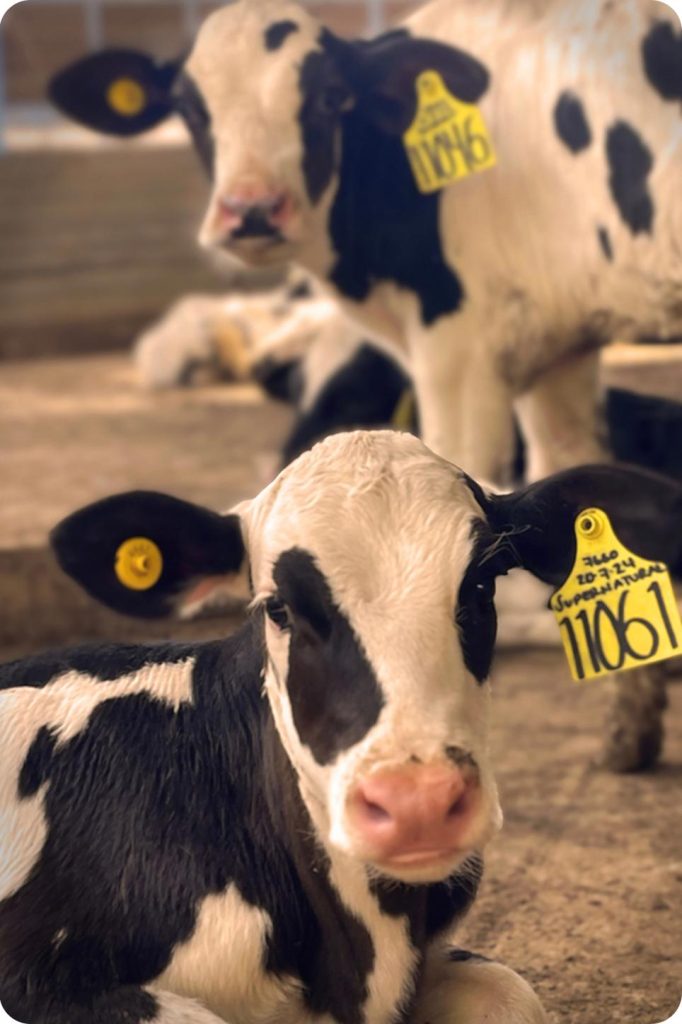
Welfair® is the certification that accredits animal welfare, independently, scientifically and based on direct observation of the animal.
In Sigma, we are committed with the animal welfare and we are working with Welfair® certification.
This approach enables us to offer products with full traceability, starting from the farm.
As a result, we are able to identify exactly which cows supplied the milk used in the production of each certified product.
What does the Welfair®
certification guarantee?
With Welfair®, we ensure compliance with the five freedoms of animal welfare. These standards guarantee that animals live in safe, healthy, and respectful conditions:

Freedom from hunger and thirst, by ready access to water and a diet to maintain health
and vigor.
Freedom from discomfort, by providing an appropriate environment, including shelter
and a comfortable resting area.
Freedom from pain, injury, and disease, by prevention or rapid diagnosis and treatment.
Freedom to express normal behavior, by providing space, facilities, and company of the
animal’s own kind.
Freedom from fear and distress, by ensuring conditions and treatment that avoid mental
suffering according to international animal welfare standards.